 (Image via
In the old days of Hollywood, staying famous was a carefully managed game. Publicists wrote press releases, agents booked talk show appearances, and photographers snapped pictures on red carpets. It was a top-down system where the celebrity told us they were important, and we generally believed them. But today, the power dynamic has flipped completely upside down. We are living in the age of the meme ecosystem. Now, a celebrity’s relevance isn't just decided by box office numbers or album sales; it is decided by how shareable they are on the internet. A single funny screenshot, an awkward interview moment, or a weird dance move can make someone more famous than their actual work ever did. Memes have become the new currency of fame, capable of reviving dead careers, destroying current ones, or turning random people into superstars overnight.
The Power Shift: From Fans to Creators
The biggest change in pop culture is that the audience isn't just watching anymore; they are creating. In a meme ecosystem, fans take raw material—a clip from a movie, a lyric from a song, a facial expression—and remix it.
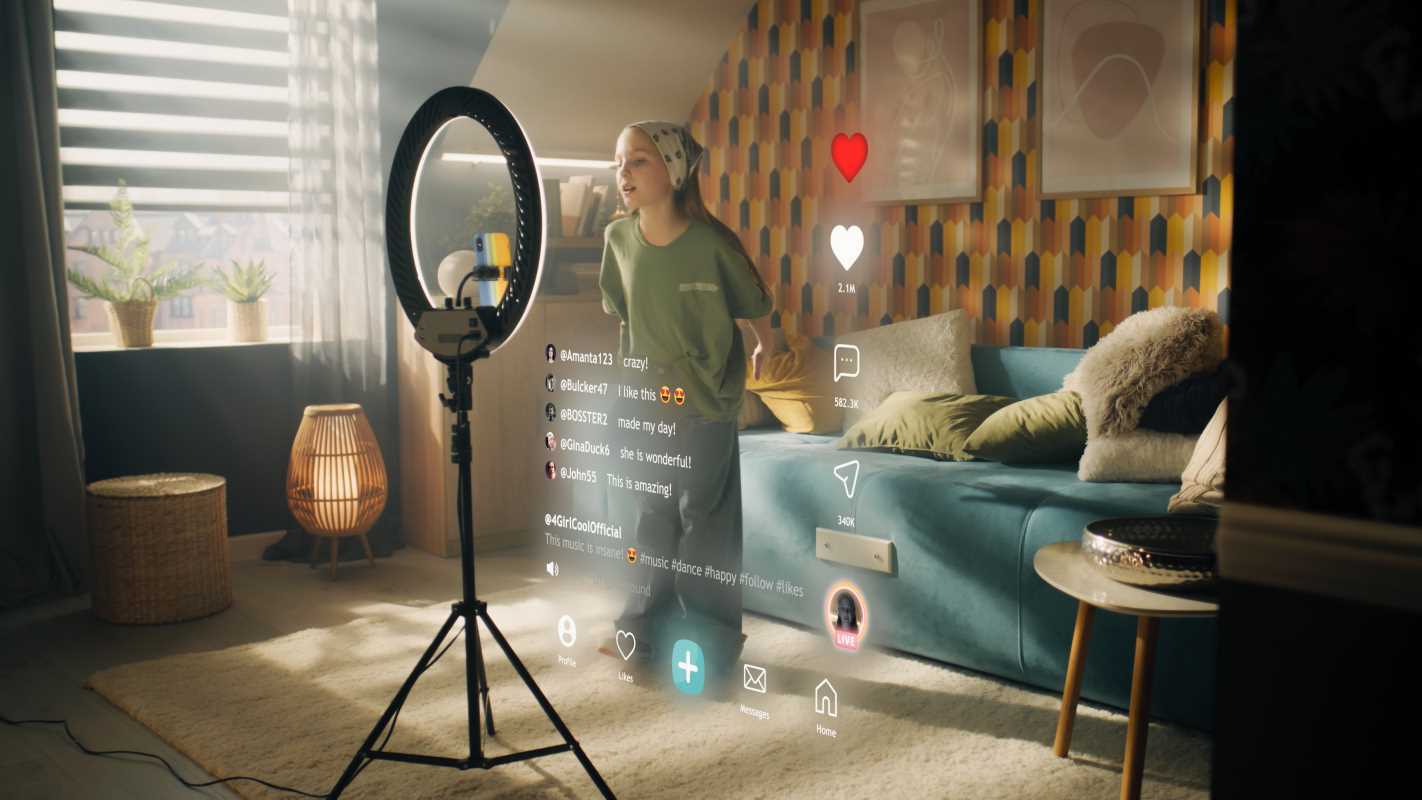
Think of social media platforms like TikTok, Twitter (X), and Instagram as giant digital factories. The workers in these factories are regular people making jokes. When a celebrity does something, they provide the raw materials. If the material is good (or bad enough), the factory goes into overdrive.
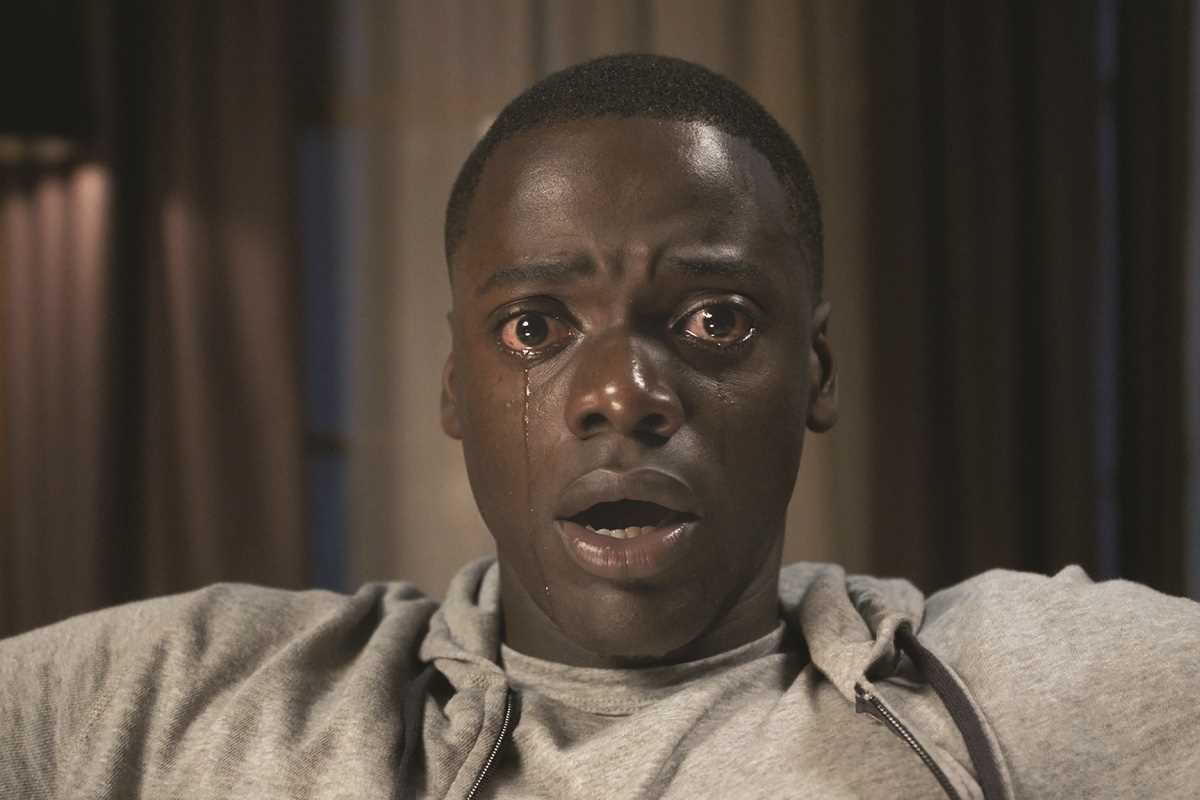
This shift means celebrities lose control of their own image. A serious actor might want to be known for their dramatic roles, but if the internet decides they look funny eating a sandwich, that sandwich moment becomes their identity. This lack of control can be terrifying for stars who are used to being perfectly polished, but for those who embrace it, it is a goldmine.
The "So Bad It's Good" Phenomenon
One of the strangest parts of meme culture is how it rewards failure. In the traditional world, a bad movie was a career-ender. In the meme world, a bad movie is a masterpiece.
Take the movie Morbius. It was not a hit with critics. But the internet found the dialogue and the serious tone so funny that they turned it into a massive joke. People started posting fake quotes like "It's Morbin' time!" and pretending it was the greatest film ever made. The memes became so popular that the studio actually put the movie back in theaters, thinking the internet buzz meant real interest. (Spoiler: It didn't translate to ticket sales, but the engagement was huge).
This happens with music, too. A song might be objectively silly or weird, but if it has a catchy snippet that works for a 15-second TikTok video, it can top the charts. The quality of the art matters less than its ability to fit into a joke or a trend.
The Nicolas Cage Effect
If there is a king of the meme ecosystem, it is Nicolas Cage. For years, Cage was known as a respected, Oscar-winning actor. Then, he started taking roles in wild, low-budget movies where he would often scream, make crazy faces, or act completely unhinged.
Instead of ruining his career, these over-the-top performances made him an internet god.
- The Bees: A scene from The Wicker Man where he screams about bees became a legendary reaction GIF.
- The Stare: His intense stares became templates for thousands of jokes about anxiety or confusion.
Cage didn't fight it. He eventually leaned into the persona, even playing a fictional version of himself in the movie The Unbearable Weight of Massive Talent. The meme ecosystem kept him relevant during a time when his movies weren't major blockbusters. It transformed him from a fading star into a beloved cult icon that Gen Z recognizes instantly, even if they haven't seen his older classic films.
The Nostalgia Loop
Memes are also time machines. They have the power to reach back into the past and pull a forgotten celebrity back into the spotlight. This is often driven by nostalgia.
Consider Brendan Fraser. For a long time, he was out of the public eye. But the internet, fueled by kids who grew up watching The Mummy, started posting wholesome memes about how much they missed him. This wasn't organized by a PR team; it was organic love from fans sharing clips of him being nice.
This groundswell of positive meme energy created a narrative: "Brendan Fraser deserves a comeback." When he finally returned with a major role, the internet exploded with support. The meme ecosystem didn't just react to his comeback; it arguably helped manifest it by proving there was still a massive audience that cared about him.
When Memes Go Wrong: The "Cringe" Factor
Not all meme attention is good attention. Being "meme-able" can sometimes mean becoming the butt of the joke. This is the "cringe" side of the ecosystem.
When Gal Gadot and a group of celebrities sang "Imagine" at the start of the pandemic, they thought they were being inspiring. The internet disagreed. The video was immediately torn apart, parodied, and turned into a symbol of out-of-touch rich people. The meme ecosystem works fast to check egos.
Once a celebrity is labeled "cringe," it is very hard to shake that label. Every interview they give or outfit they wear is scrutinized for more meme material. It creates a feedback loop where the celebrity tries harder to be cool, which only makes them look more desperate, fueling even more memes.
How Platforms Shape the Narrative
Different social media apps create different types of celebrity relevance.
- Twitter/X: This is the home of the "hot take" and the reaction image. Here, a celebrity's relevance is defined by how quotable they are or how funny their facial expressions are in screenshots.
- TikTok: This platform relies on sound and movement. A musician’s relevance here depends on whether their song has a "drop" that people can dance to or use for a transformation video. Old songs, like Fleetwood Mac’s "Dreams," can re-enter the charts decades later just because one guy skateboarded to it in a viral video.
- Instagram: This is about the visual aesthetic. Relevance here is tied to fashion and lifestyle.
Celebrities now have to navigate these different ecosystems simultaneously. A star might be a fashion icon on Instagram but a total joke on Twitter. Managing this multi-platform reputation is a full-time job.
Embracing the Chaos
The smartest celebrities today know they can't beat the internet, so they join it. They understand that being a meme is better than being ignored.
Ryan Reynolds is a master of this. He uses the same humor in his marketing and social media that fans use in their memes. He trolls himself before anyone else can. By being in on the joke, he takes the power away from the critics and keeps his relevance high.
On the flip side, celebrities who take themselves too seriously often get eaten alive. If a star sues someone for making a funny picture of them, or complains about a bad photo, the internet usually responds by sharing that photo a million more times. This is known as the "Streisand Effect."

.jpeg)
.png)
.png)
.png)