Why settle for a gold watch at 65 when you could own your time by 45? That is the core question driving the financial independence (FI) movement. For most of us, the traditional idea of retirement feels like a distant, dusty mirage. But financial independence is different. It is not about stopping work because you are old. It is about having enough assets that work becomes optional. It is about buying back your Mondays. We have all felt the squeeze lately. With the "sticky" inflation that has lingered since 2024 and the rising cost of housing, it is easy to feel like you are running on a treadmill that keeps getting faster. Lifestyle creep is a real thief, too. As soon as you get a raise, the car gets an upgrade or the vacations get pricier. Before you know it, your bank account looks exactly the same despite the higher salary. Have you been there?
Mastering the Modern Budget
Forget those restrictive, old-school budgets that make you feel guilty for every taco you buy. Those systems fail because they feel like a diet of plain celery. Instead, successful households in 2026 are using value-based spending. This means you ruthlessly cut costs on things that do not bring you joy so you can over-spend on the things that actually matter to you.
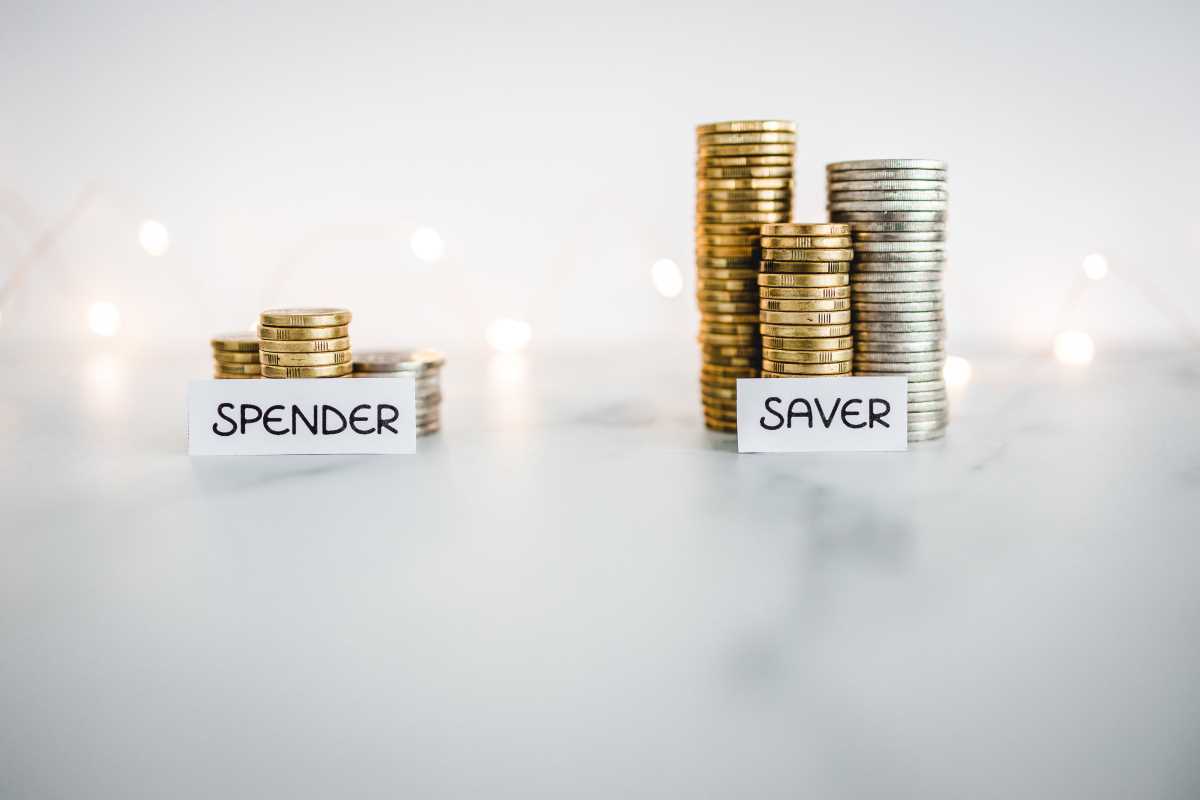
One of the most effective ways to do this is by flipping the traditional 50/30/20 rule. Usually, people put 50% toward needs, 30% toward wants, and 20% toward savings. If you want to reach financial independence faster, you need to be more aggressive. Many in the FI community now aim for a 50/20/30 split, where 30% or more goes straight into investments. Some even push that savings rate to 50% by living a more intentional life.
Automation is the secret weapon here. If you have to think about saving money every month, you probably won't do it. You should set up your accounts so that your "freedom fund" is paid the moment your paycheck hits. Think of it like a non-negotiable bill you owe to your future self. If the money never sits in your checking account, you won't feel the urge to spend it on a random Amazon haul.
Managing your cash flow is much easier when you have the right tech in your corner. Since the big shifts in the budgeting app market a couple of years ago, a few leaders have emerged for households serious about tracking their net worth.
High-Impact Cuts Where to Find Hidden Cash in Your Monthly Flow
If you want to find an extra $500 to $1,500 this month, start with a "no-spend" reset. This became a huge trend back in 2024, and it is still one of the best ways to shock your system. For thirty days, you commit to buying only the absolute neededs like groceries and utilities. It is a digital detox for your wallet. You will be shocked at how much "leakage" happens through small, mindless purchases.
Next, you need to perform a subscription audit. A few years ago, data showed the average American was spending over $219 a month on digital subscriptions, often for services they forgot they even had. That is over $2,600 a year. Use an app to track every recurring charge and cancel anything you haven't used in the last 30 days. It is the digital equivalent of cleaning out a cluttered closet.
Finally, look at the big three: housing, transportation, and food. These are the biggest levers you can pull.
- Meal Planning: Reducing food waste can save the average family hundreds of dollars a month. If you are throwing away wilted spinach every Friday, you are throwing away cash.
- Transportation: Could you downsize to one car? Or switch to a more fuel-efficient model? The cost of insurance, gas, and maintenance adds up to a massive drag on your wealth.
- Housing: This is the toughest one, but also the most powerful. Downsizing or "house hacking" (renting out a room or a basement) can cut your biggest expense in half, allowing you to supercharge your savings rate overnight.
The Confidence of Compound Savings Investing Your Newfound Surplus
Saving money is only the first half of the battle. If you just leave that extra cash in a standard checking account, inflation will slowly eat it away. To reach financial independence, that money needs to go to work. The link between saving and investing is what creates true wealth.
Back in early 2024, High-Yield Savings Accounts (HYSAs) were offering rates above 5%, which was a great place for emergency funds.¹ But for long-term growth, you need the power of the stock market. Low-cost index funds are the gold standard for the FI community. They allow you to own a tiny piece of hundreds of companies, diversifying your risk while capturing the overall growth of the economy.
You should also be taking full advantage of tax-advantaged accounts.
- 401(k) and 403(b): In 2024, the contribution limit was $23,000. Maxing this out significantly lowers your taxable income.
- Roth IRA: This allows your money to grow tax-free, which is a massive advantage over several decades.
- Catch-up Contributions: If you are over 50, you can actually contribute even more to these accounts to accelerate your progress.
There is a psychological shift that happens when you see your investments start to grow. Once your "money makes money," you start to see every dollar as a little soldier working for your freedom. This reinforces your budgeting habits because you aren't "missing out" on a purchase; you are "buying" your future freedom.
This article on beemain.com is for informational and educational purposes only. Readers are encouraged to consult qualified professionals and verify details with official sources before making decisions. This content does not constitute professional advice.